Educational Game Development: Transforming Learning Through Interactive Experiences
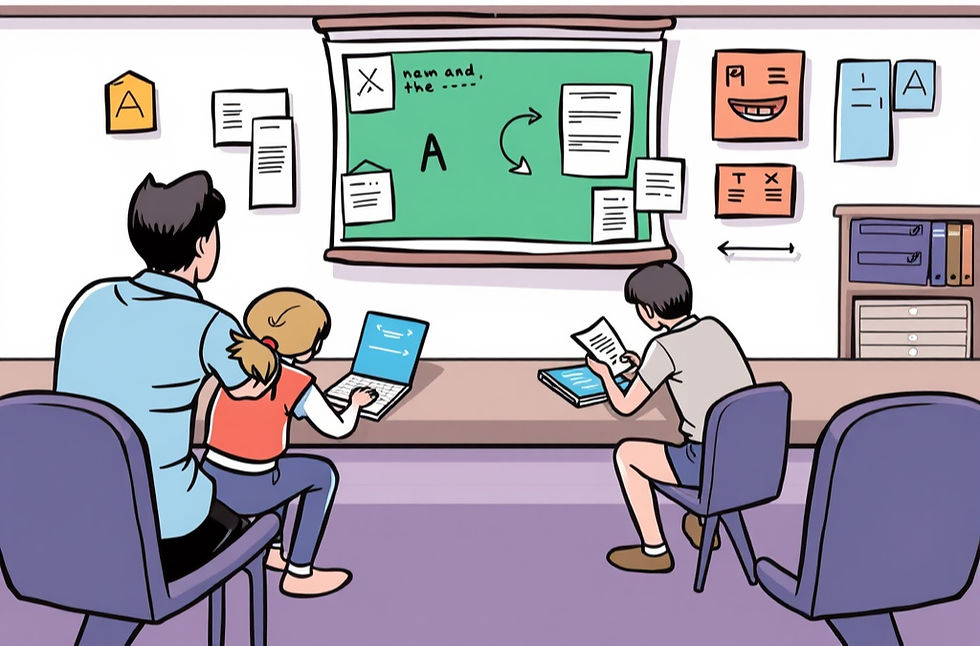
Educational game development is becoming an important part of modern learning as schools, businesses, and training organizations look for more engaging ways to teach and train people. With advancements in technology and the growing demand for digital learning tools, educational game development helps combine entertainment and education to create experiences that improve knowledge retention and learner engagement.
Today, many organizations also invest in game development services to create customized educational solutions that address specific learning goals. From classroom learning and language training to professional skill development, educational games are helping learners of all ages gain knowledge in a more interactive way.
What Is Educational Game Development?
Educational game development is the process of creating games designed to teach, train, or improve specific skills while keeping users engaged. These games combine learning objectives with gameplay mechanics to make education more enjoyable and effective.
Unlike traditional learning methods that rely heavily on reading and lectures, educational games encourage active participation. Players learn by solving problems, completing tasks, making decisions, and interacting with virtual environments.
Educational games can be developed for schools, universities, corporate training programs, healthcare education, and many other sectors.
Why Educational Games Are Growing in Popularity
Modern learners often prefer interactive content over traditional learning materials. Educational games provide a more engaging way to absorb information while maintaining motivation and interest.
Gamification elements such as rewards, achievements, progress tracking, and challenges help encourage continuous learning. These features make educational content feel less overwhelming and more enjoyable.
The widespread use of smartphones, tablets, and computers has also increased access to educational games, allowing learners to study anytime and anywhere.
Types of Educational Games
Educational games are available across a wide range of subjects and learning environments.
Academic Learning Games
These games support subjects such as mathematics, science, history, geography, and language learning. They help students understand concepts through interactive activities and challenges.
Language Learning Games
Language-focused games improve vocabulary, grammar, pronunciation, and communication skills through engaging exercises and real-world scenarios.
Corporate Training Games
Businesses use educational games to train employees in areas such as leadership, customer service, compliance, workplace safety, and technical skills.
Skill Development Games
These games focus on improving problem-solving, critical thinking, decision-making, creativity, and teamwork abilities.
Key Features of Successful Educational Games
A successful educational game balances learning and entertainment. If a game focuses only on education, learners may lose interest. If it focuses only on gameplay, learning outcomes may be reduced.
Clear learning objectives help ensure that educational goals remain central to the experience. Interactive challenges encourage learners to apply knowledge rather than simply memorize information.
Progress tracking systems allow learners and educators to monitor improvement over time. Feedback mechanisms also help users understand mistakes and reinforce learning.
Benefits of Educational Game Development
Educational games offer several advantages for both learners and educators.
One major benefit is increased engagement. Interactive gameplay often keeps learners motivated for longer periods compared to traditional learning methods.
Educational games can also improve knowledge retention by encouraging active participation. Learners are more likely to remember information when they apply it in realistic scenarios.
Another benefit is personalized learning. Many educational games adapt to individual skill levels, allowing users to learn at their own pace.
Challenges in Educational Game Development
Developing educational games requires balancing educational value with enjoyable gameplay. Creating content that is both informative and entertaining can be challenging.
Developers must also ensure that learning objectives align with educational standards and user expectations. Extensive testing is often needed to verify that the game effectively supports learning outcomes.
Accessibility and device compatibility are additional considerations, especially when developing games for diverse audiences.
The Future of Educational Game Development
Educational game development is expected to continue growing as technology advances. Artificial intelligence, virtual reality, and augmented reality are creating new opportunities for immersive learning experiences.
These technologies can simulate real-world environments, helping learners practice skills in safe and controlled settings. As digital education becomes more common, educational games are likely to play an even larger role in modern learning.
Conclusion
Educational game development is changing how people learn by combining education with engaging gameplay. From classrooms and universities to corporate training programs, educational games help learners stay motivated while developing valuable knowledge and skills. As technology continues to evolve, educational games will remain an important tool for interactive and effective learning experiences.


Comments